

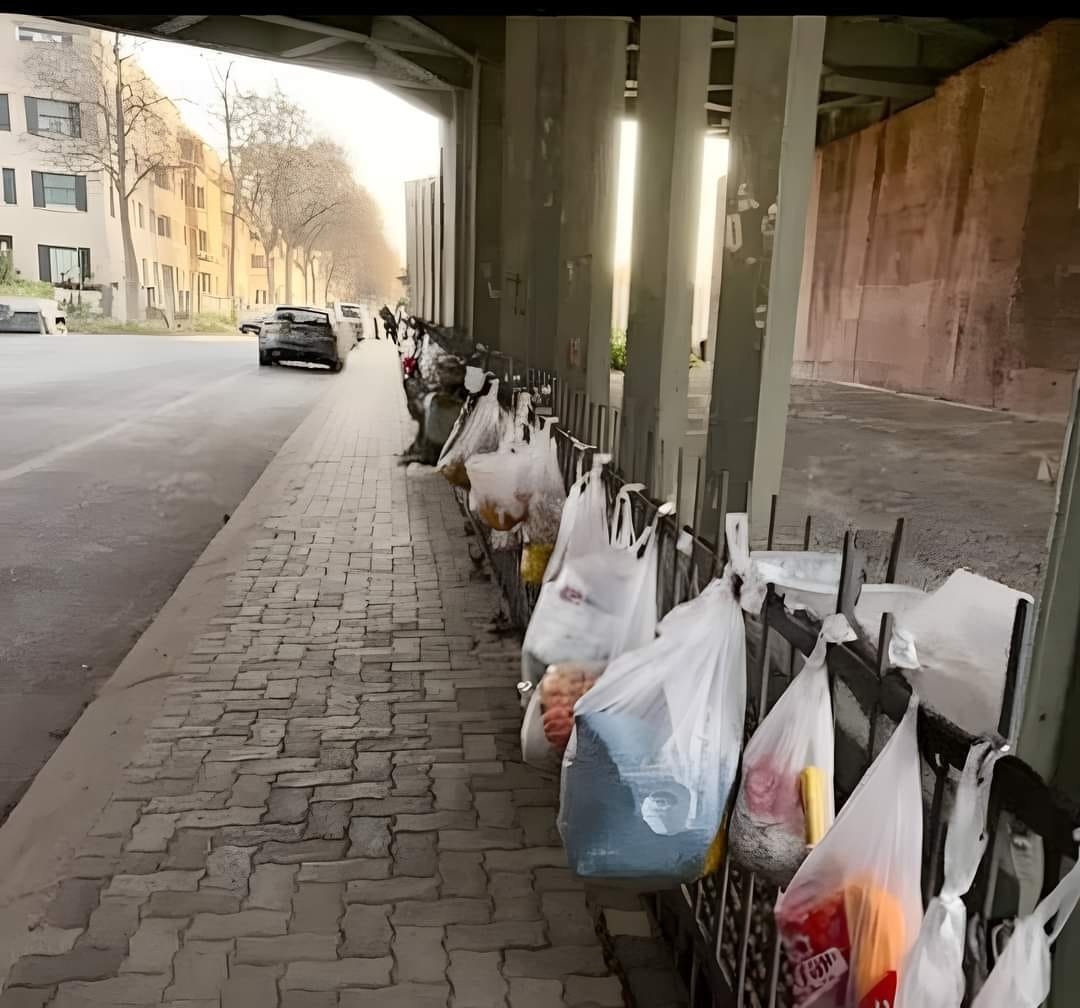
The Scale of Global Hunger in 2025
The numbers are staggering. According to the latest Global Report on Food Crises (GRFC), 295.3 million people faced acute hunger in 2024 alone. This isn’t just a statistic. It’s the sixth consecutive year of increases, marking a dangerous trend that shows no signs of slowing.
What makes this worse? We’re not talking about occasional hunger. These are people facing high levels of acute food insecurity, meaning their daily survival is genuinely at risk. UN Secretary-General António Guterres put it plainly: “Hunger in the 21st century is indefensible.”
Why Is Hunger Spreading Faster Than We Can Respond?
The answer lies in a perfect storm of interconnected crises. Conflict, climate chaos, economic collapse, and geopolitical tensions are colliding at once, creating conditions where food security becomes impossible for millions. But here’s what’s truly alarming: we’re losing the fight against these drivers faster than we’re mobilizing resources to help.
Conflict Remains the Primary Culprit
Across the countries facing the worst food crises, conflict dominates as the main driver of acute food insecurity. This isn’t new territory. What’s different now is the scale and the interconnection with other shocks. When violence tears apart agricultural systems, disrupts markets, and displaces entire communities, food insecurity follows like a shadow.
The Sudan offers the starkest example. In July 2024, famine was confirmed in Zamzam camp in North Darfur. This was the first confirmed famine anywhere in the world since 2020. By late 2024, five more areas faced famine conditions, with 17 additional areas at risk through May 2025.
Climate Extremes Are Intensifying
El Niño devastated agricultural production across multiple regions in 2024. Drought-linked crop failures hit southern Africa hard, with states of emergency declared in Lesotho, Namibia, Malawi, Zambia, and Zimbabwe. In Asia, rice prices hit 15-year highs due to reduced production and export restrictions from major producers like India.
The earth’s warming trend isn’t stabilizing. It’s accelerating. Wetter-than-normal conditions in some regions bring flooding and disease outbreaks, while drier conditions elsewhere trigger resource-based conflicts over water and pasture.
Economic Shocks Are Compounding Everything
When conflict or climate disaster hits, economies collapse quickly. Currency weakness, rampant inflation, and reduced exports create a cascading effect. Food prices spike. Jobs disappear. Households that were already vulnerable become desperate. In places like Yemen and Syria, economic shocks have become the primary driver of acute food insecurity, even surpassing conflict as the reason families can’t access food.
The Nutrition Crisis: Children Paying the Heaviest Price
Behind the headline numbers is a children’s health emergency. In 2024, 26 countries and territories with food crises faced actual nutrition crises. That means children weren’t just hungry. They were malnourished at rates that threaten permanent damage to their development.
The statistics are grim. In countries with nutrition crises, 37.7 million children faced acute malnutrition. In Palestine’s Gaza Strip, over 90 percent of children under 5 didn’t have access to minimum acceptable diets. Think about that for a moment. Nine out of every ten children weren’t eating enough of the right foods.
When children lack adequate nutrition during their critical developmental years, the damage compounds. Malnourished children are more vulnerable to disease. Illnesses like measles worsen their nutritional status further. Diarrhea and cholera outbreaks hit hardest in areas where children are already weak from hunger. It’s a vicious cycle that’s hard to break once it starts.
Displacement: The Hidden Crisis Within the Crisis
Violence and disasters don’t just cause hunger. They force people to flee their homes. By 2024, 95.8 million people were forcibly displaced in countries facing food crises. That’s roughly equal to the entire population of Mexico.
Here’s what makes displacement particularly dangerous for food security: displaced people face higher rates of acute food insecurity than residents in the same areas. They’ve lost their assets, their social networks, and their livelihoods. They often live in crowded camps where disease spreads quickly and sanitation is poor. Access to markets and humanitarian aid is frequently restricted.
The Democratic Republic of the Congo offers a sobering example. By the end of 2024, escalating violence had forced 5.2 million people to flee their homes in just three provinces. When you add in the economic collapse and climate shocks happening simultaneously, you get a humanitarian emergency of almost unimaginable scale.
Regional Hotspots: Where the Crisis Is Most Severe
The global hunger crisis isn’t evenly distributed. Certain regions are bearing the brunt of multiple overlapping shocks.
East Africa and the Horn
East Africa faces acute food insecurity affecting 65.5 million people. Sudan’s humanitarian emergency is catastrophic. Ethiopia, Somalia, and South Sudan are dealing with localized conflicts that continue disrupting agriculture and trade. Kenya and parts of Ethiopia are still recovering from the devastating 2020-2023 drought.
West Africa and the Sahel
The Central Sahel is experiencing what might be called a forgotten emergency. While international attention focuses on the Middle East and Gaza, 51.6 million people in West Africa and the Sahel face acute food insecurity. Violence from extremist groups has expanded into previously stable areas. Refugees from Sudan continue arriving in eastern Chad, straining resources that are already stretched thin.
Middle East and Gaza
Protracted conflict across the Middle East and North Africa has affected 44 percent of the analyzed population in these regions. Gaza faces potential famine conditions if the military operation and humanitarian blockade continue. Economic collapse in Syria and Yemen means families can’t afford food even when it’s available in markets.
The Funding Crisis That’s Making Everything Worse
Here’s something that doesn’t get enough attention: humanitarian funding to food sectors in crisis countries is expected to decrease by up to 45 percent in 2025. Let that sink in. Just as hunger is reaching record highs, the international community is cutting the lifeline that keeps people alive.
This funding cut has immediate, devastating consequences. Nutrition services for at least 14 million children are at risk. Food distributions are being scaled back. Displaced populations in camps receive fewer resources. The gap between needs and available support is widening at precisely the moment when it should be narrowing.
What’s Really Broken: Systems, Not Just Circumstances
UN Secretary-General Guterres called this “a failure of humanity.” It’s worth understanding why he used that language. Because here’s the uncomfortable truth: globally, a third of all food produced is lost or wasted. We’re not facing an absolute shortage of food. We’re facing a failure of distribution systems, political will, and global solidarity.
Trade barriers restrict food movement across borders. Political conflicts prevent humanitarian access. Economic systems designed to prioritize profit over people leave vulnerable populations defenseless when shocks hit. Supply chains break under pressure. The systems that should buffer households against hunger are often the ones making things worse.
Beyond the Crisis: Building Resilience
The GRFC report doesn’t just document the problem. It points toward solutions. Supporting agricultural livelihoods is essential. When households can produce food for consumption and sale, they’re less vulnerable to price shocks and supply disruptions. But this requires investment in rural infrastructure, agricultural training, and market access during periods of relative stability.
Building resilient food systems means strengthening local food production, diversifying crops, improving storage and preservation techniques, and creating social safety nets that catch people before they fall into catastrophic hunger.
It also means addressing the underlying causes: ending conflicts where possible, investing in climate adaptation, and building more equitable economic systems. The GRFC’s focus on “cultivating resilience” recognizes that short-term humanitarian aid, while necessary, isn’t enough on its own.
The Path Forward Demands Immediate Action
The 2025 Global Report on Food Crises is an urgent call for change. More funding. Faster responses. Trade policies that prioritize food security. Climate action that limits weather extremes. And peace efforts that address the conflicts driving displacement and hunger.
At its most genuine level, this is about recognizing that hunger in the 21st century doesn’t reflect scarcity. It reflects choices. And choices can be changed. But only if governments, businesses, and decision-makers commit to different priorities.
The stakes couldn’t be higher. 295 million people are counting on us to get this right.
Want to understand the full scope of the global food crisis? The complete GRFC 2025 report provides in-depth analysis by region and country, with data on acute food security, malnutrition, and displacement trends. The Food Security Information Network (FSIN) and Global Network Against Food Crises (GNAFC) produce this evidence-based analysis to guide humanitarian and development responses.
Communities closer to home are fighting food waste and cost-of-living crises too. Learn how local initiatives like People’s Pantry are tackling food insecurity in their own neighborhoods.